Build an AI-assisted metadata-driven Fabric ingestion and medallion scaffold - then master the skill that actually matters now: validating what the AI builds for you.
Microsoft is shipping AI into every corner of Fabric: Copilot in the web experience, agentic workflows in VS Code, a CLI that coding agents can drive end to end. The demos look incredible. Every pipeline writes itself, nothing ever fails, and nobody mentions cost.
Here's what the demos skip: AI-generated code is confidently wrong in ways that only show up downstream. A plausible join that silently drops rows. A schema assumption nobody made. A deprecated pattern dressed up as best practice.
The engineers who win in this shift aren't the fastest typists. They're the ones who can specify precisely, automate aggressively, and validate ruthlessly. That's what we practice for four hours - on a real build, not slides.
The core lab is a metadata-driven Fabric ingestion and medallion scaffold. You leave with the working solution, the validation patterns, and a prompt/scaffold library you can reuse on real projects.
Lakehouses, notebooks, and pipelines scaffolded by a coding agent driving the Fabric CLI - from an agent skill you author, with guardrails. Zero portal clicking.
One configurable pattern instead of N pipelines - config tables, parameterized notebooks, dynamic sources - generated with AI and audited where the blast radius is largest.
Bronze-to-Silver-to-Gold transformations written with AI assistance - then audited by you, with the planted failure modes found and fixed.
An LLM called straight from a Fabric notebook with your own API key - classification, extraction, summarization - as proper pipeline steps. Designed for the trial path, no paid Fabric AI capacity needed.
The unloved work produced automatically and matched to a gold-standard exemplar you provide - with a CLI deployment pattern included so you can promote the solution after the workshop.
What AI assistance costs in capacity units, what to monitor, and what to never let an agent do unsupervised.
Every session moves the same build forward. The center of gravity is the ingestion framework and the validation habits around it; stretch tasks are included for stronger coders.
The evolving role, the hype, and the three surfaces: Copilot in Fabric web for exploration, VS Code for developer workflows, the CLI for automation - and how to match the AI interaction model to the task. Plus the mental model the whole day runs on: AI in a context-bounded box with a well-defined task.
Fabric items as code instead of clicks. You author an agent skill with real guardrails - explicit targets, pause-for-review checkpoints, "present the plan and stop", "you may not commit" - then drive the agent to scaffold the medallion workspace from that specification.
One configurable pattern instead of N hand-written pipelines: config tables, parameterized notebooks, dynamic sources - generated with an agent. Then the audit that matters most, because a confidently-wrong config assumption breaks every table the framework drives at once. Reading generated PySpark critically is a different skill from writing it, and this is where you learn it.
Bronze-to-Silver-to-Gold driven phase by phase using the gold-standard exemplar pattern, so generated code matches your bar, not the model's guess. LLM-powered transforms called from the notebook with your own API key (classification, extraction, summarization), designed for the trial path. Then generating tests, quality checks, and documentation from what you built, with deterministic tools for repeatable agent behavior.
A CLI-driven deployment pattern, then the honest part no demo shows: what AI features cost in capacity units, the security implications of agents on your tenant, an honest capability map of every surface, and what to never automate. Closes with where Data Agents fit as the consumption half of AI in Fabric, a quick look at where this scales, and open Q&A.
No - and I'm not going to pretend the paid AI features don't exist, or quietly make you buy them. The workshop is designed around the licensing reality.
This is the founding cohort - the price goes up once this run's results and testimonials are in. In exchange, I'll ask you for honest feedback.
Paying through your company? Most attendees do. You'll get a proper VAT invoice and a ready-made justification one-pager for your manager. Team pack: 5 seats for €795. Private team workshop: from €6,500. Email for team invoices and private dates.

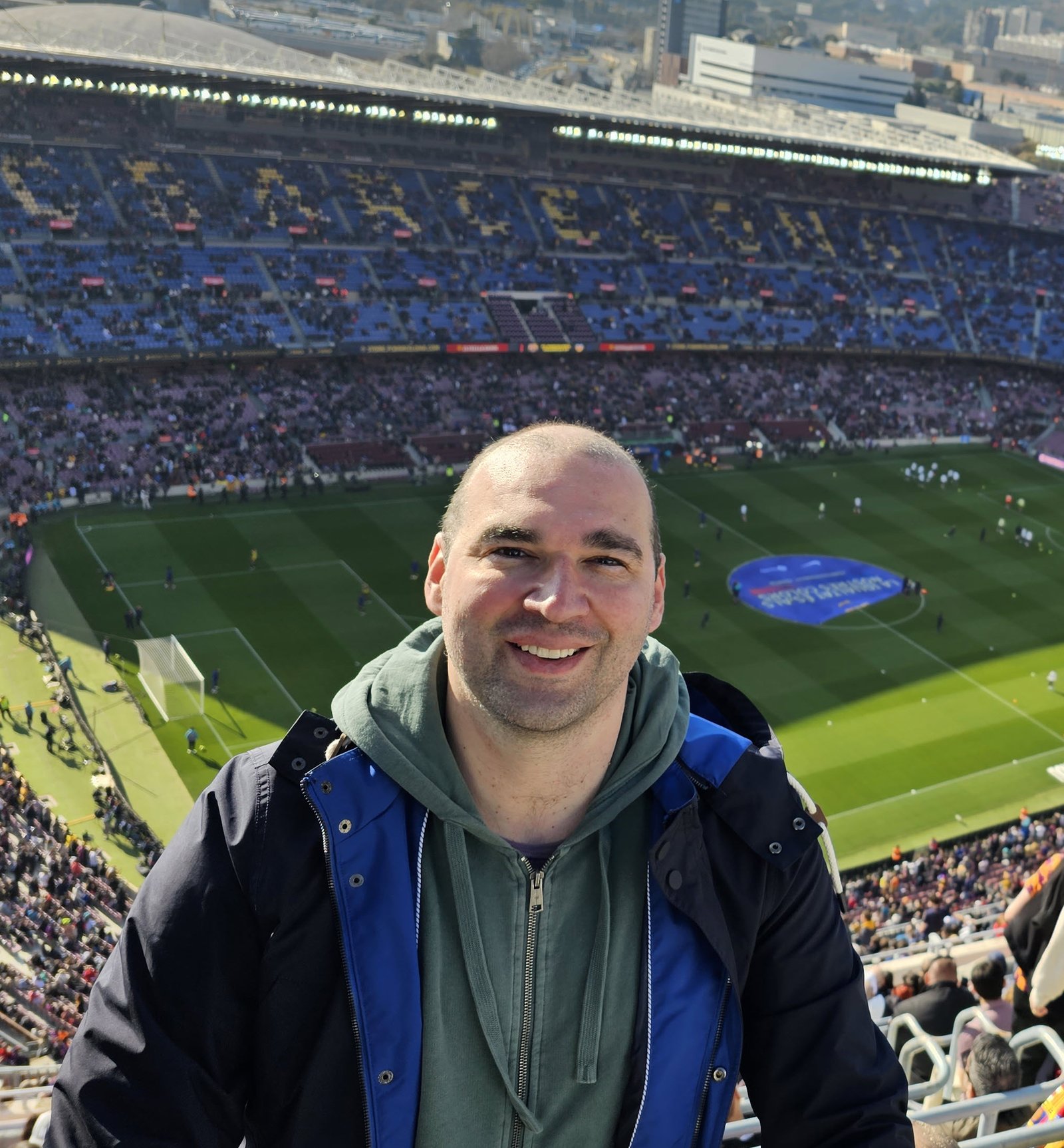
I'm Nikola Ilic, better known as Data Mozart. Microsoft Data Platform MVP, Principal Data Architect at iLink Digital, book author, and creator of Fabric and Power BI training that has reached thousands of professionals through Pluralsight, O'Reilly, conferences, and the Data Mozart blog and YouTube channel.
The agentic CLI workflow at the center of this workshop comes from my own consulting projects - the field version, not the keynote version. What works, what breaks, what it costs. No vendor pitch, because no vendor is paying for this.
The guarantee: attend the full workshop, and if you don't feel it was worth the price, email me within 7 days for a full refund. No awkward forms, no hard feelings.
They'll be the ones who can direct AI precisely and catch its mistakes confidently. Four hours from now, you can have the scaffold, the validation habits, and a clear-eyed view of what these tools really do.
Reserve your seat - €179